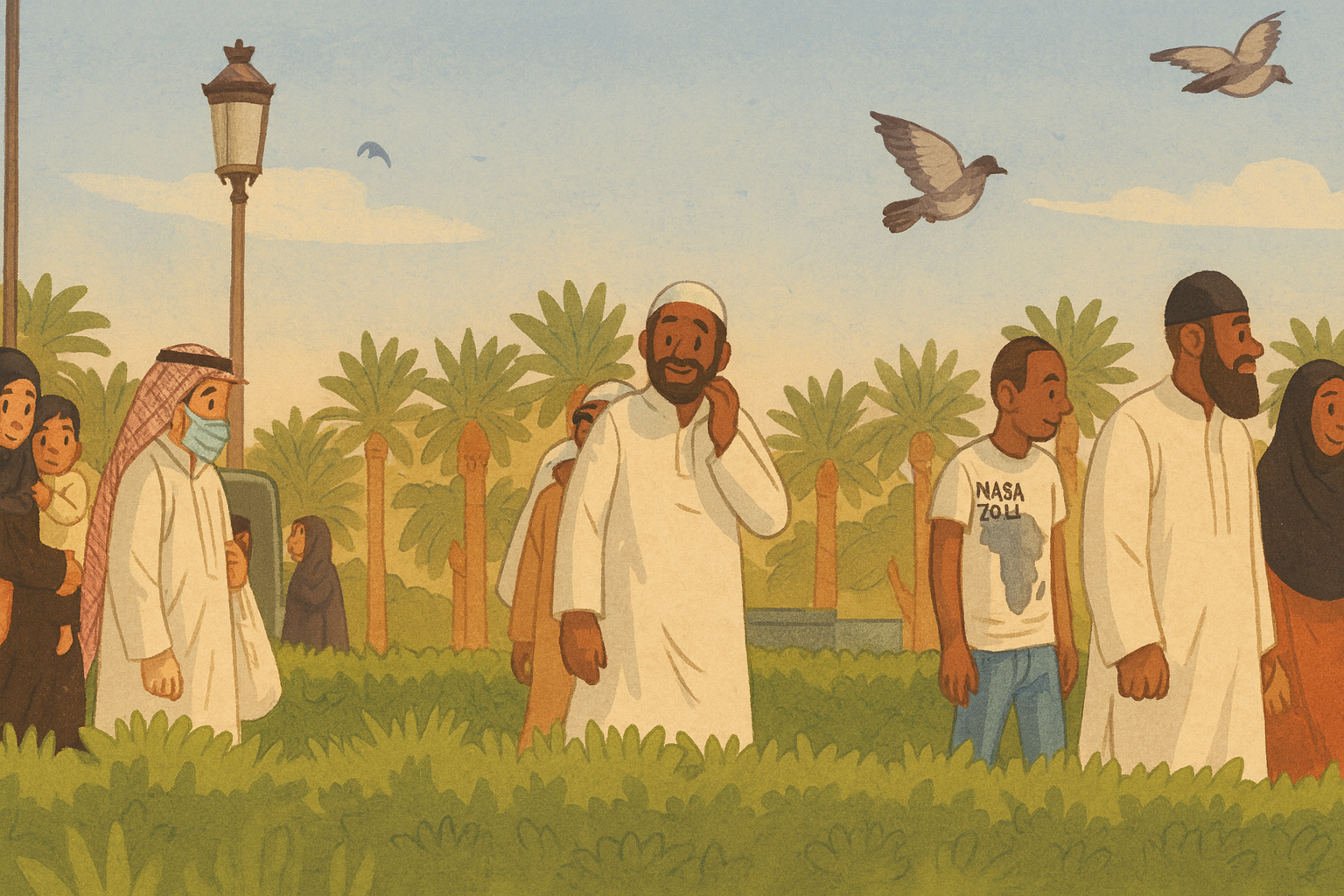

Planning your first Umrah from the United States can feel complicated because several decisions are connected: travel dates, flights, entry requirements, hotels, transportation, room arrangements and religious preparation. A good plan handles these decisions in the right order.
This guide gives first-time pilgrims a practical starting point. Religious questions should be confirmed with a trusted scholar, while visa and entry requirements should be checked through current official Saudi sources and your chosen travel provider.
1. Decide how you want to travel
Start by choosing between a group package, a customized package or planning the trip independently.
- Group package: Useful when you want a fixed schedule, group leader and other pilgrims traveling together.
- Customized package: Better when your family needs specific dates, hotels, room arrangements or private transportation.
- Independent trip: Gives you more control, but you are responsible for coordinating every booking and solving problems yourself.
First-time pilgrims often value clear support more than the lowest advertised price. Think about how comfortable you are managing changes during an international trip.
2. Choose your dates carefully
Package prices and crowd levels can change greatly throughout the year. Ramadan, school holidays and other popular periods may cost more and feel more crowded. Hot weather can also affect children, elderly travelers and anyone with health concerns.
If possible, give agencies a preferred date and a flexibility range. A difference of a few days may produce better flight or hotel options.
3. Confirm passports and entry requirements
Check that every traveler has a valid passport before paying for nonrefundable bookings. Entry requirements depend on passport nationality and current Saudi rules, not only where the traveler lives.
Ask the agency or provider:
- Which visa or entry option applies to each passport?
- What documents are required?
- Which fees are included?
- Does the package include visa assistance or only general guidance?
- What should the traveler carry when entering Saudi Arabia?
Rules can change, so verify them again shortly before departure.
4. Compare flights from your U.S. airport
Confirm the complete flight schedule, not just the airline. Review departure and arrival airports, connections, layover times, baggage allowance and change rules.
For families and elderly travelers, a slightly more expensive itinerary with fewer or shorter connections may be worth it. Also check whether you will arrive in Jeddah or Madinah because that affects the order of the trip and your Saudi transportation plan.
5. Select Makkah and Madinah hotels
Ask for the exact hotel names and room types. Star rating alone does not tell you how easy the hotel will be for your family.
Compare:
- Walking distance to the mosque
- Hotel entrance and route conditions
- Elevators and wheelchair access
- Shuttle availability
- Breakfast or other meals
- Room occupancy and bed arrangement
- Connecting room availability
- Cancellation and change terms
A hotel that looks close on a map may still involve crowded streets, hills or a difficult walking route.
6. Plan transportation inside Saudi Arabia
Your itinerary may require airport transfers, travel between Makkah and Madinah, hotel transfers and transportation for Ziyarat.
Ask whether each transfer is shared or private. Confirm the vehicle size, luggage capacity, pickup procedure and waiting policy. If train travel is included, ask who books the tickets and how you will travel between the hotel and station.
7. Learn the Umrah steps before leaving
Do not wait until you reach the airport to learn about Ihram, Miqat, intention, Tawaf, Sa’i and Halq or Taqsir. Study the steps early and write down questions for a trusted scholar or group leader.
Travel arrangements and religious preparation should support each other. For example, your flight route and arrival airport may affect when you enter Ihram.
8. Prepare physically
Umrah often involves extended walking, standing, crowds and disrupted sleep. Begin regular walking before the trip if your health allows it.
Travelers with medical conditions should discuss the trip with their healthcare professional. Bring enough prescribed medication in original packaging and carry important medicines in cabin baggage. Keep a written medication list and emergency contacts.
9. Plan for children, elderly relatives and accessibility
Families should tell the agency about these needs before receiving the quote, not after booking.
- Wheelchair or mobility assistance
- Shorter walking routes
- Hotels with suitable entrances and elevators
- Private or less crowded transportation
- Rest time between activities
- Child sleeping arrangements
- Stroller plans
- Dietary or medical needs
A package can look excellent for a healthy solo traveler and still be unsuitable for an older parent or young child.
10. Pack for comfort and worship
Keep essential documents, medication, a change of clothing and basic toiletries in your cabin bag. Checked baggage can be delayed.
A practical packing list may include:
- Passport and travel documents
- Ihram clothing where applicable
- Comfortable walking footwear
- Modest lightweight clothing
- Unscented personal care items for use during Ihram
- Small prayer mat if needed
- Reusable water bottle where permitted
- Phone charger and power bank that follows airline rules
- Medication and basic first aid supplies
- A small bag for daily mosque visits
Pack light enough that you can manage your luggage during transfers.
11. Check the agency and quote
Before paying, verify the business identity, contact information and written booking terms. Ask who will issue the flight, hotel and transportation bookings.
The quote should clearly state:
- Total price and whether it is per person
- Room occupancy used for pricing
- Included and excluded services
- Payment schedule
- Cancellation and refund terms
- Who provides support during the trip
- Which details remain subject to availability
Keep written copies of the quote, invoice, itinerary and payment confirmations.
12. Request comparable quote options
KaabaSharif helps U.S. travelers submit their trip requirements once and receive quote options from participating U.S. agencies. The traveler can compare the options and decide which agency they want to contact.
KaabaSharif does not issue the travel booking. Final package details, availability, contracts and payments must be confirmed with the selected agency.
Start your first Umrah plan and request personalized quote options.
First Umrah checklist
- Choose group, customized or independent travel
- Select preferred dates and flexibility
- Check passports and current entry requirements
- Compare complete flight schedules
- Confirm exact hotels and room arrangements
- Plan every Saudi transfer
- Learn the Umrah steps
- Prepare physically and medically
- Document family and accessibility needs
- Review written payment and cancellation terms
Frequently asked questions
How early should I begin planning my first Umrah?
Begin once you have a likely travel period and budget. More planning time generally gives you more flight, hotel and room choices, especially for busy seasons.
Should a first-time pilgrim choose a group package?
A group can be helpful when you want a fixed itinerary and guidance. A customized package may work better for families with specific dates, hotel preferences, children, elderly relatives or accessibility needs.
What information is needed for an Umrah quote?
Provide your departure city, dates, flexibility, number and ages of travelers, nights in each city, hotel preference, rooms, transportation needs, requested services and budget.
Does KaabaSharif book the Umrah package?
No. KaabaSharif helps travelers gather and compare quote options. The selected travel agency handles the final booking, contract and payment.
Compare Umrah packages from the USA.
Related guides
- Umrah Packing List from the USA: Documents, Clothing and Essentials
- Umrah Visa and Entry Requirements from the USA
- How to Compare Umrah Packages from the USA
Related Umrah Essentials
- A Dua Guide for Umrah for written guidance and duas to review before and during the journey.
- Men's Bamboo Cotton Ihram Set for male pilgrims preparing their first Ihram clothing.
- Fingernail and Toenail Clipper Set for personal grooming before entering Ihram.
Product links may lead to Amazon or another third-party seller. As an Amazon Associate, KaabaSharif earns from qualifying purchases.